Part 1:
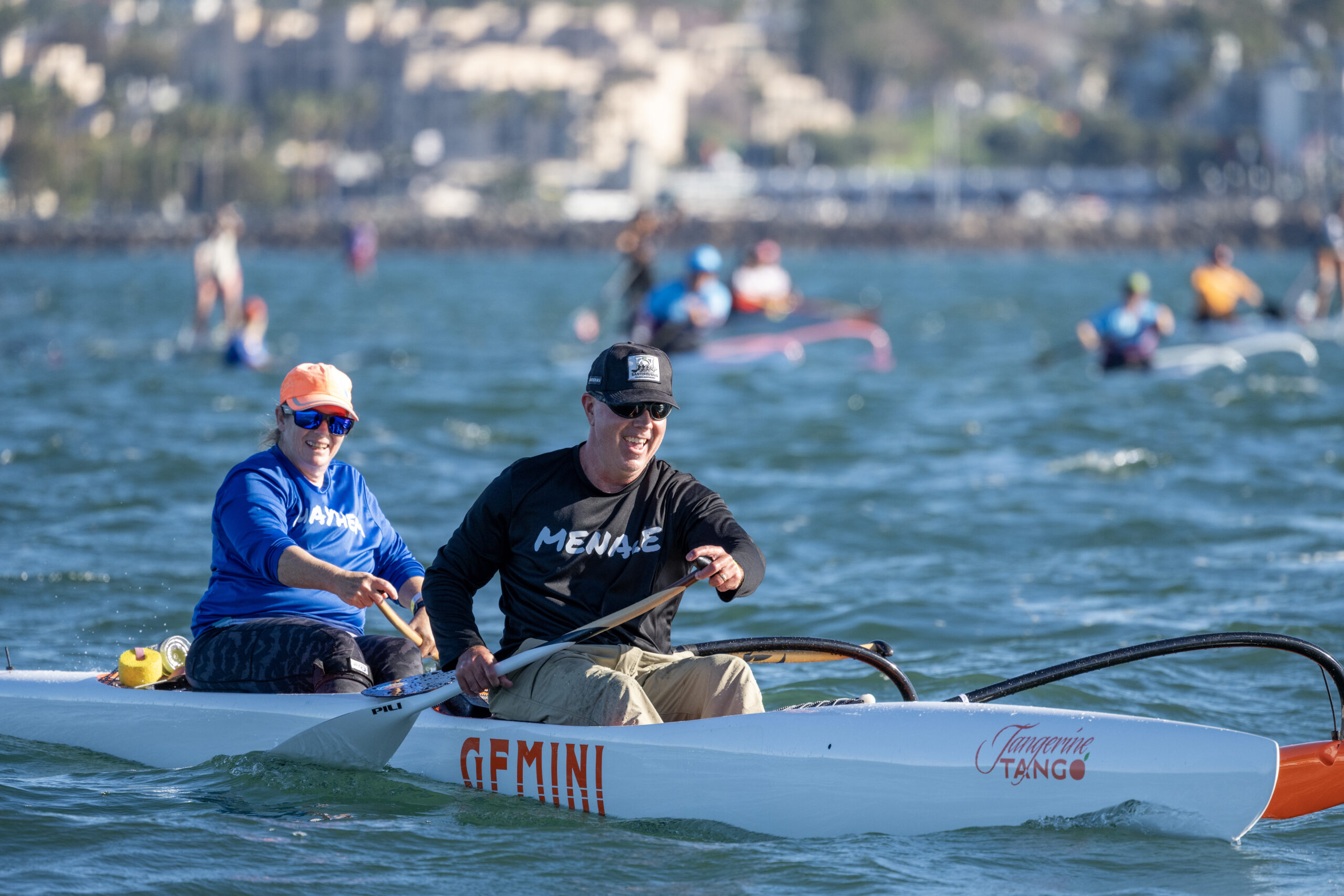
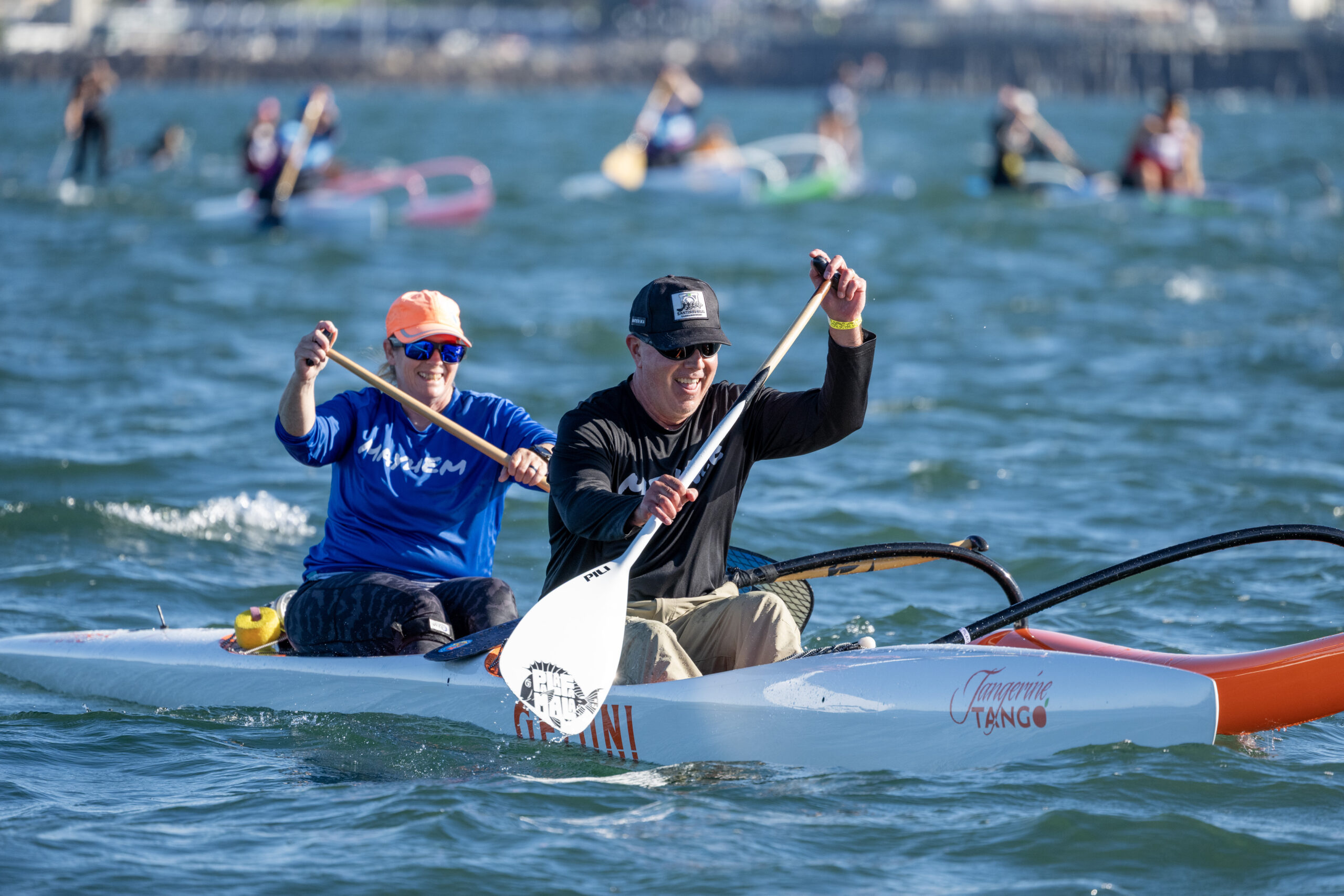
Paddling in the Lanakila Classic was an awesome experience. This was my first small craft ocean race. It was a tremendous learning experience and opportunity for growth. I’ve only been out in the ocean in small craft a handful of times, and most of that has been just trying to feel the water and not go for a swim.
The water was moving enough to make me feel off balance from the start. I was rigid, fighting the boat on the way out, tense and leaning left. I was able to relax on the way back and could actually flow with the canoe istead of fighting it. I haven’t yet learned the difference in feeling of when the ama rises with the water and when it rises from my weight and balance being off, so that made it more interesting a few times. It was just awesome to be out there and I’m looking forward to the next one, whatever it may be. I hope to make enough progress to do the long course in a small boat next season.
This experience challenged my comfort level, and expanding the prison walls of my comfort zone is an absolutely necessary part of my paddling journey. Pushing past our limits and learning to be uncomfortable is how we grow. When you can’t see, your comfort level tends to be fairly small. It’s a prison built of fear.
This is why Makapo exists. Makapo gives us the opportunity to bust out of our cages. The world was not designed for the disabled, but paddling with Makapo restores a sense of normalcy, if there is such a thing, and gives us community and a taste of freedom while focused on fitness and athleticism. Paddling is therapy. It calms my heart and keeps my weight in check.
Aside from the lessons on the water during this race, the overall vibe was really positive. The assistance from the Lanakila boys on the dockwas impressive. Most people who don’t know how to best help a blindie get around or in and out of a canoe will just shove me around however they see fit, which is not always the best approach. On the dock on Saturday, three different guys who were helping me at different times all acknowledged they didn’t know how to help me before they were hands on, and it was refreshing to be assisted with honest humility for a change.
Everywhere I go in this paddling community, I’m surrounded by amazing people who make my journey easier. I’m beyond lucky to have found this happy place and to get to paddle with people like Pilar, who’s love and kindness are far greater than my grief. Makapo and this paddling community continues to help us turn our limitations into possibility and to make us feel at home. There’s no second class Ohana, and this community continues to prove it.
Ryan Clary
Part 2:
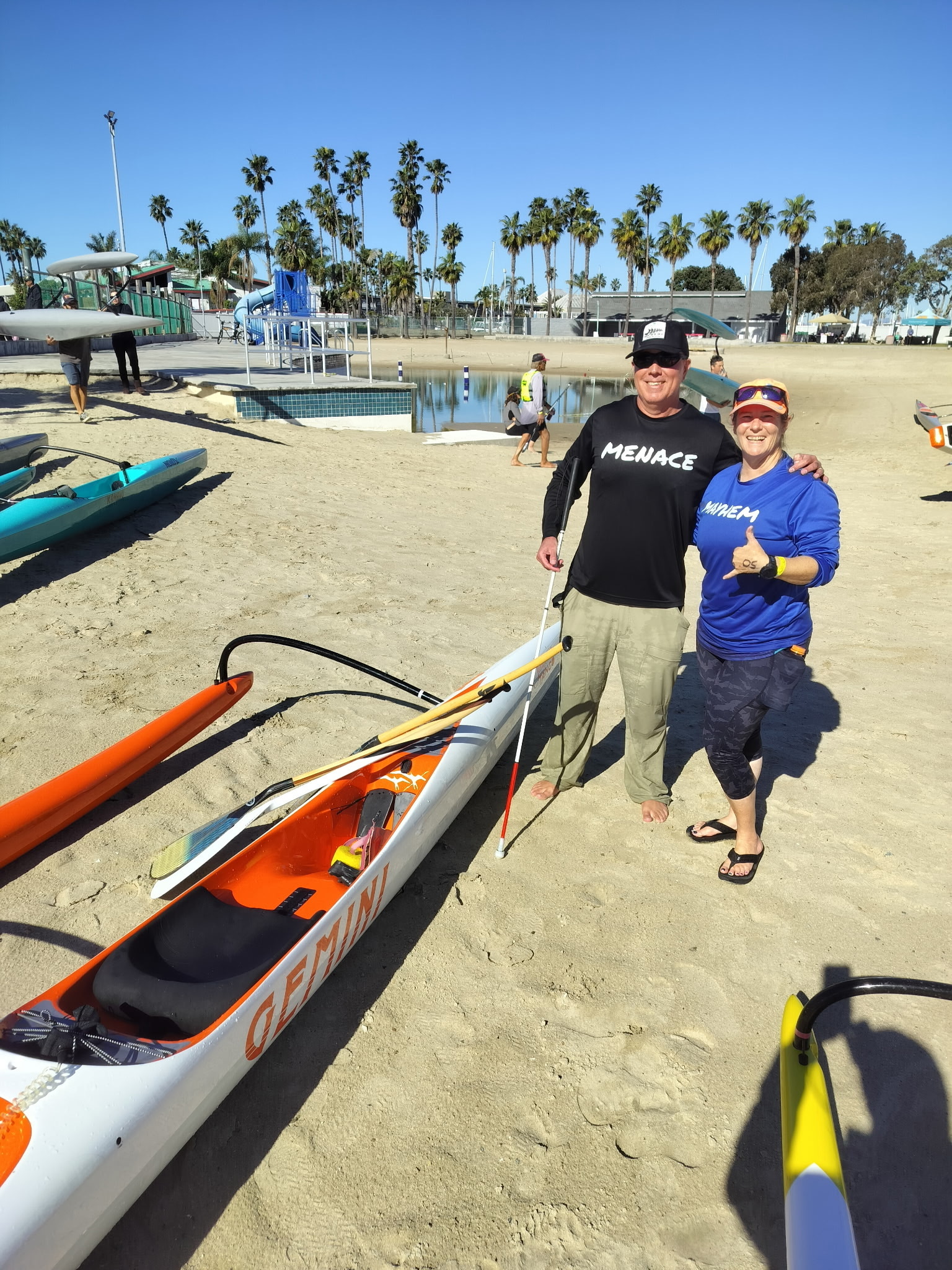
The Lanakila Classic holds a special place in my heart—it’s where my racing journey began in 2018 on a SUP. But this year, the water offered something even more meaningful: the privilege of guiding Ryan Clary, a blind paddler, through his very first OC2 open ocean race.
The morning started with a chill in the air, but the sun warmed us up just in time for the short course. As we hit the water, the ocean decided to give us a challenging test.
The first leg brought some lively swells that had our ama rising higher than Ryan was used to. It’s a vulnerable feeling, but that’s where the magic happens. We often say that growth lives just outside your comfort zone, and watching Ryan navigate that uncertainty was inspiring. By the return leg, something shifted. I found a good line, Ryan found his rhythm, and we began to fly—eventually picking off canoes as we powered toward the finish.
I am incredibly proud of Ryan for pushing far beyond his limits. Our hard work paid off with a 1st Place finish in the OC2 Masters Mixed division. Most importantly? We stayed upright and smiling!
It Takes a Village, it wouldn’t have been possible without the incredible community that defines this sport. A massive thank you to the Lanakila volunteers and our friends—Margo Scout, Chris Blank, Natalie Rigolet, and Jenny Ricks —who helped us navigate to and from the water.
To anyone hesitant to dive into their first race: take the plunge. You might just find that “being uncomfortable” is the best way to move forward.
Pilar Cayton