
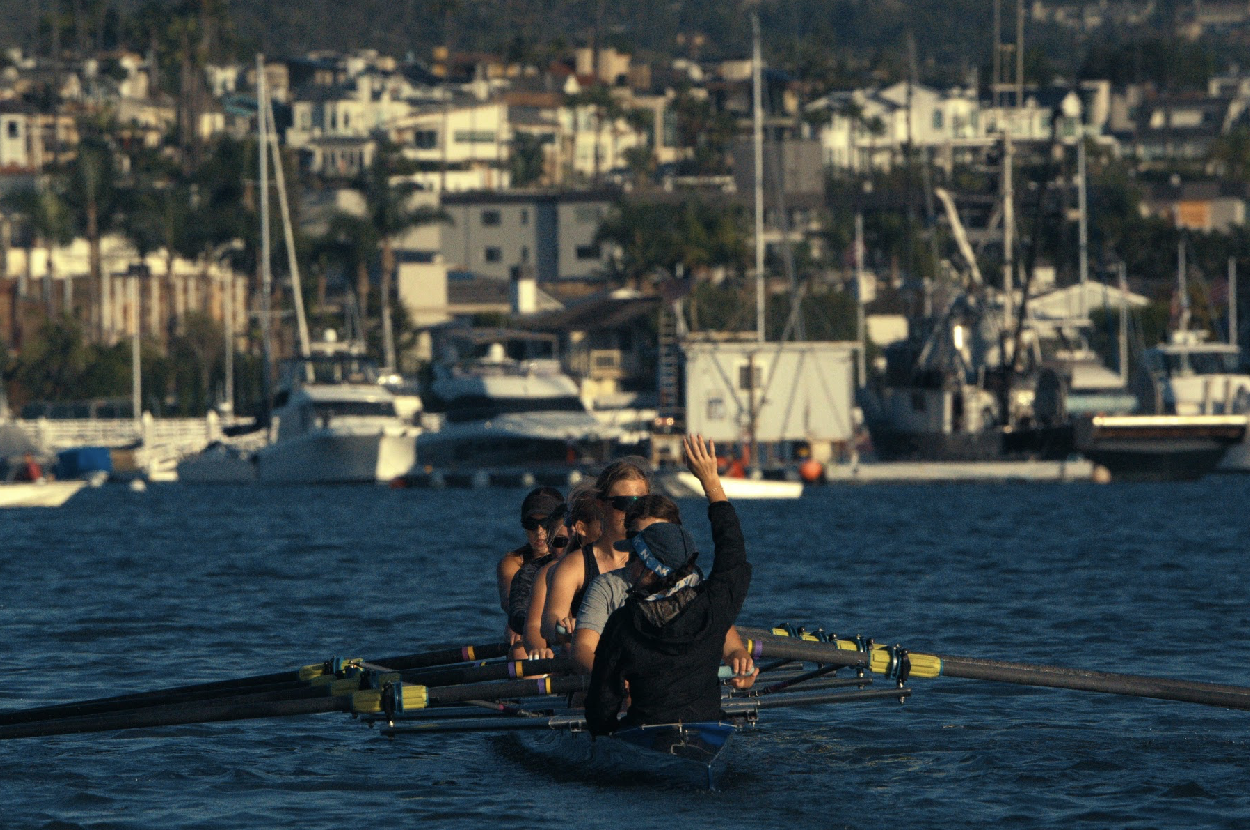
This past weekend, our novice girls took on their first big road trip of the season, traveling seven hours by bus to Sacramento. While the racing was certainly a highlight, I have a feeling that when these girls look back on their first major travel regatta, the memories they’ll talk about most will be from the road trip itself.
For some, this was an entirely new experience. Between watching movies on the bus, sharing snacks, and making stops in places like Kettleman City, Lodi, and Tulare, there were plenty of memories made outside the boat.
 Our meal stops turned into an exercise in strategy and teamwork. With limited time, the girls quickly learned they needed a plan. Some divided into groups, ordering food from one place and drinks from another. Others sprinted to get ahead of the novice boys group in line, determined to make it back to the bus on time. Watching them race back with their arms full of food and drinks was both entertaining and impressive.
Traveling to regattas requires athletes to do all the little things well. For their first major trip, we expected a lot from this group. They were responsible for managing their time, keeping track of their belongings, getting everything onto the bus, and being ready to warm up and get hands on the boat on time. These responsibilities may seem simple, but for athletes who are still learning the sport, they’re an important part of becoming more independent and accountable to their teammates.
Leading Beyond the Coach’s Reach
That independence becomes even more important once the boats leave the dock, particularly for our coxswains. As coaches, we don’t get to see our boats for roughly 45 minutes before they race. During that time, our coxswains are responsible for navigating an unfamiliar course, following the buoys, managing their time, and getting their crews to the starting line prepared and ready to race.
A coxswains role goes far beyond steering the boat. They’re responsible for leading eight other athletes, executing the warm-up we’ve practiced, and making sure their crew is both physically and mentally ready to compete. They have to be constantly anticipating what’s ahead, whether that’s adjusting their warm-up based on the time they have, responding to changing conditions, or making decisions in the moment without a coach there to guide them.
Once racing begins, they’re responsible for executing the race plan, keeping their crew focused, making technical calls, and recognizing when adjustments need to be made. It’s a tremendous amount of responsibility for athletes still so new to the sport. As coaches, we can prepare them as much as possible, but ultimately, we have to trust them to take everything they’ve learned and put it into action. Watching our novice coxswains take on that responsibility and develop confidence in their own decision-making is one of the most rewarding parts of coaching.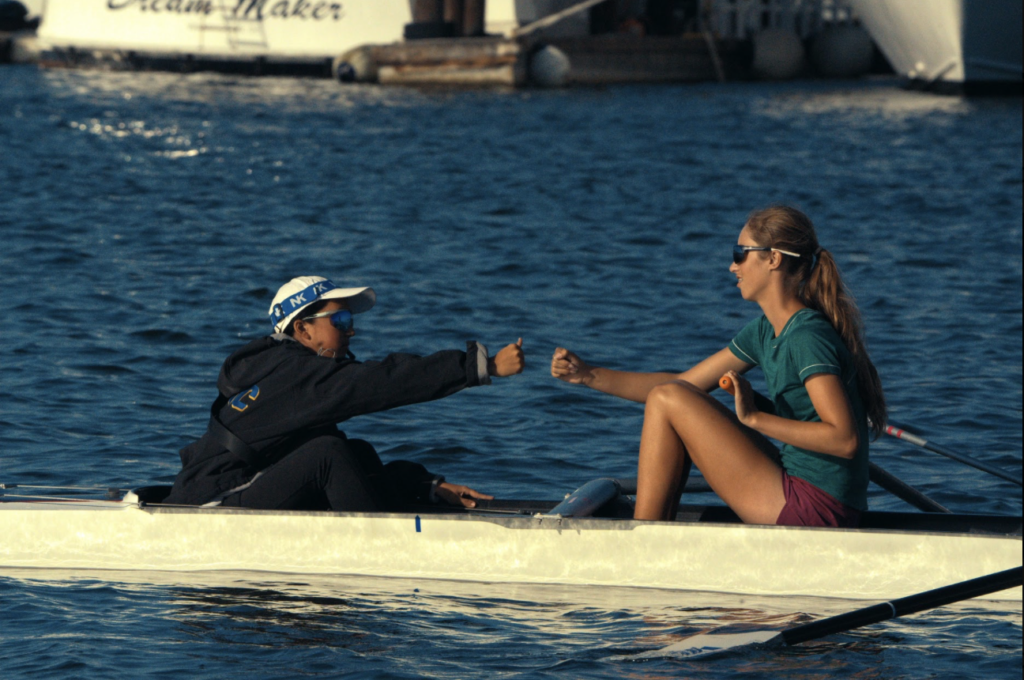
The Little Things Add Up
What amazed me most throughout the weekend was just how thoughtful and strategic this group was. Before curfew, girls were coming downstairs to grab extra water bottles to make sure they stayed hydrated for race day. Before launching, they were thinking about how to keep their boats as light as possible, limiting unnecessary water bottles and emptying them before the start.
These may seem like insignificant details, but in rowing, the little things add up. It was exciting to see the girls anticipating what needed to be done and taking the initiative to make it happen without being asked.
More than anything, weekends like this give the girls an opportunity to learn how to manage themselves, work together, and take ownership of their responsibilities. There are lessons learned through rowing that go well beyond what happens on the water, and sometimes the most meaningful growth happens in the moments we don’t necessarily plan for.
Somewhere between the long bus rides, chaotic food stops, early mornings, and time spent together, these girls are learning how to be teammates, problem-solvers, and leaders. Along the way, they’re making memories and friendships that will last long after their rowing careers.
That’s what makes traveling and competing together so special. The racing brings us there, but the little things in between are what make the experience memorable.